
The Chairperson of the Judicial Service Commission (JSC) has reaffirmed the Commission’s commitment to safeguarding judicial independence, accountability, and access to justice, while reviewing its performance in 2025 and outlining strategic priorities for 2026.
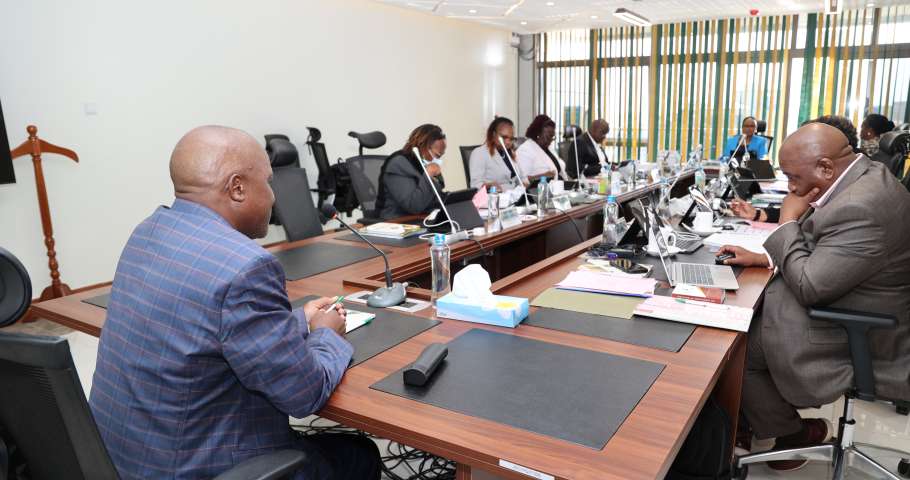
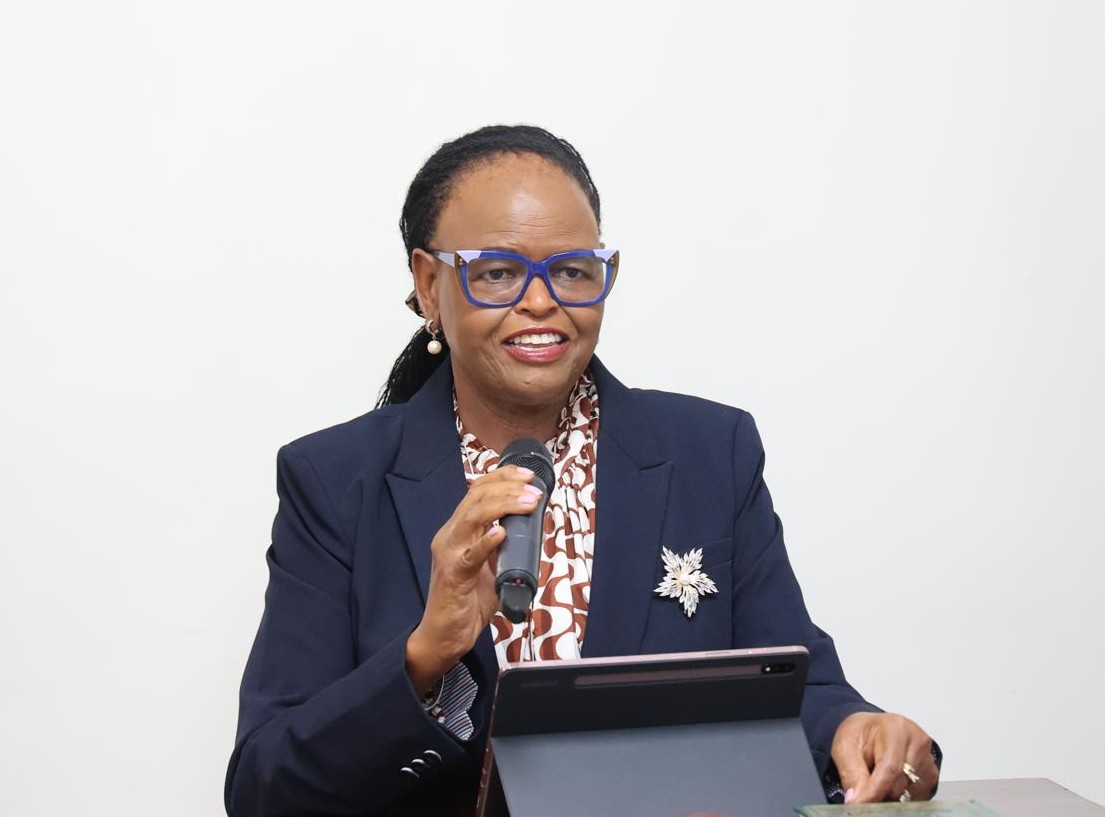
Speaking during the Commission’s first meeting of the year held in Mombasa, the Chairperson noted that 2025 marked 15 years since the reconstitution of the Judicial Service Commission under the Constitution of Kenya, 2010, a milestone that reflects sustained reforms aimed at strengthening the Judiciary as an independent, transparent and accountable institution.
Key Achievements in 2025
The Chairperson reported that the Commission and its Committees convened a total of 230 meetings in 2025, demonstrating the scale and complexity of the Commission’s constitutional mandate.
In advancing accountability and integrity within the Judiciary, the Commission:
- Received and processed 178 petitions against judges, concluding 89 cases, with others at various stages of consideration.
- Handled 65 disciplinary cases involving judicial officers and staff, concluding 18 cases.
The Chairperson observed that a High Court decision temporarily barring the Commission from considering petitions against judges has prompted an appeal and reinforced the urgency of finalising the Judicial Service (Processing of Petitions and Complaints Procedures) Regulations in early 2026.
During the year, the Commission approved and issued several governance and operational policies, including revised Human Resource Policies, ICT security and systems frameworks, records digitisation and asset management guidelines. The Commission also approved the establishment of Integrity Committees in all court stations nationwide, bringing together the Judiciary, the Ethics and Anti-Corruption Commission, the Law Society of Kenya, and the Office of the Director of Public Prosecutions to strengthen ethical conduct and public accountability.
Human Resource Development and Institutional Strengthening
The Chairperson highlighted significant investments in human capital, noting that the Commission:
- Processed the appointment of 334 Judicial Officers and staff, including 100 Resident Magistrates.
- Approved the promotion of 175 Magistrates and Kadhis across various cadres.
- Renewed contracts for 1,014 officers, including Mahakama Digitisation Agents.
- Implemented staff re-designations and promotions to align qualifications with service delivery needs.
To address staffing gaps, the Commission expanded the Judiciary establishment and approved improved terms and conditions of service for several cadres. The Commission also approved the Kenya Judiciary Academy Training Master Calendar for FY 2025/2026.
Financial Oversight and Sustainability
The Chairperson reported that the Commission approved budget estimates for the Judiciary, the JSC, and the Kenya Judiciary Academy for FY 2025/2026, reviewed procurement and disposal plans, and oversaw internal and external audit processes.
In recognition of sound financial governance, the Judicial Service Commission received the Financial Reporting Excellence Award at the 2025 Institute of Certified Public Accountants of Kenya (ICPAK) Financial Reporting Awards.
Public Confidence and Stakeholder Engagement
Throughout 2025, the Commission engaged key stakeholders, including the Law Society of Kenya, the National Treasury, the Kenya Revenue Authority, the Salaries and Remuneration Commission, and Judicial Officers, to advance justice sector reforms, strengthen accountability, and enhance public confidence in the Judiciary.
Strategic Priorities for 2026
Looking ahead, the Chairperson outlined the Commission’s focus areas for 2026, including:
- Finalising priority regulations and policies, including the Judicial Service (Processing of Petitions and Complaints Procedures) Regulations, Whistleblowing Policy and Promotion Policy.
- Conducting selection interviews for Judges of the Court of Appeal, High Court and Environment and Land Court.
- Strengthening stakeholder engagement, public education and outreach programmes.
- Addressing budgetary constraints through structured engagements with the Executive and Parliament.
- Undertaking an end-term review of the JSC Strategic Plan 2022–2027 and commencing development of the next five-year strategic blueprint.
Challenges
The Chairperson acknowledged persistent challenges, including inadequate budgetary allocations, adverse court decisions affecting the Commission’s disciplinary mandate, and misinformation targeting the Judiciary and the Commission on digital platforms.
She reaffirmed the Commission’s resolve to uphold constitutional values, protect judicial independence, and strengthen the administration of justice for the benefit of all Kenyans.